
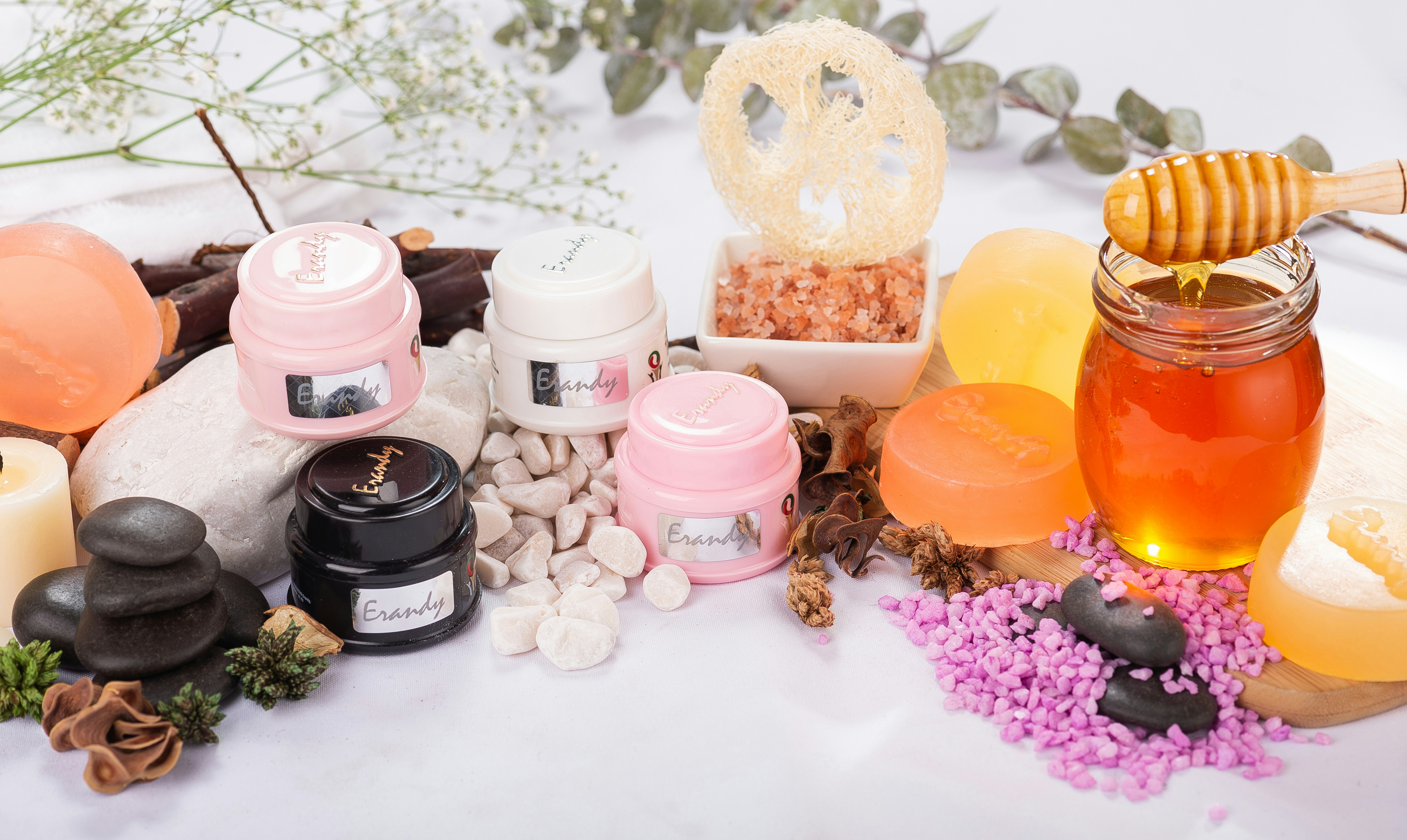
Introduction to Massage Therapy
Massage therapy is a practice that has been utilized for centuries, tracing its historical origins back to ancient civilizations such as those in China, Egypt, and India. These early cultures recognized the therapeutic benefits of touch, employing various manipulation techniques to relieve pain, reduce stress, and promote overall well-being. Over the years, massage therapy has evolved significantly, integrating both traditional practices and contemporary techniques to cater to a diverse clientele.
In its modern form, massage therapy encompasses a wide range of modalities, including Swedish, deep tissue, hot stone, and aromatherapy massages, among others. Each technique employs distinct methods to enhance relaxation and improve the body’s physical and emotional state. Practitioners of massage therapy are typically trained in anatomy and physiology, enabling them to tailor their approach to meet individual client needs. This specialized knowledge is crucial, as it fosters a deeper understanding of how massage can affect different body systems.
The significance of touch as a fundamental aspect of human connection cannot be overstated. In addition to its physiological benefits, massage therapy plays a vital role in emotional support, fostering a sense of safety, relaxation, and trust. These interactions contribute to overall mental wellness, which is increasingly recognized as essential in our fast-paced, often stressful lives. The positive effects of massage extend beyond the momentary relief of tension; they can lead to lasting improvements in both physical health and psychological resilience. This exploration of the healing potential of touch sets the stage for a deeper examination of the myriad benefits that massage therapy offers, both for the body and the mind.
Physical Benefits of Massage
Massage therapy is widely recognized for its significant physical benefits, playing a vital role in promoting relaxation and overall well-being. One of the primary advantages of massage is its ability to evoke a state of deep relaxation. This therapeutic touch helps decrease levels of the stress hormone cortisol, which in turn fosters a sense of calm and tranquility. Numerous studies corroborate this effect, illustrating that regular massage can reduce anxiety and promote emotional wellness.
Furthermore, massage therapy serves as an effective means of alleviating pain. Conditions such as chronic back pain, migraines, and arthritis can greatly benefit from targeted massage techniques. Research indicates that individuals receiving consistent massage treatment report a notable reduction in pain levels, contributing to improved quality of life. Such outcomes highlight massage as a potent tool in pain management strategies.
Another crucial physical benefit linked to massage is enhanced circulation. The manipulation of soft tissues increases blood flow, aiding in nutrient delivery and oxygenation of muscles. Improved circulation not only accelerates recovery from injuries but also plays a role in boosting energy levels. Enhanced perfusion is particularly beneficial for athletes, as it can lead to improved performance and faster recovery times.
Moreover, massage therapy enhances flexibility and range of motion. By decreasing muscle tension and increasing relaxation, it allows for better mobility, which is especially advantageous for individuals engaged in physical activities or those recovering from injuries. As muscles become more pliable, the risk of strains and injuries can significantly decrease.
Additionally, massage has been shown to support immune function. Studies reveal that individuals who regularly participate in massage therapy exhibit increased levels of lymphocyte activity, which is critical for immune response. This fortification of the immune system underscores the comprehensive health benefits of incorporating massage into one’s wellness routine.
Mental and Emotional Advantages
Massage therapy serves as a powerful tool in promoting mental and emotional well-being. One of the primary benefits of receiving a massage is its ability to significantly reduce stress and anxiety levels. During a session, the mind enters a state of deep relaxation, allowing individuals to temporarily escape the pressures of daily life. This relaxation response can reduce the production of stress hormones, which can lead to a calmer mental state. As a result, many individuals report feeling more at ease and centered after their treatment.
Moreover, massage therapy can promote better sleep quality, which is essential for mental health. The soothing effects of massage can alleviate tension and, in turn, help individuals fall asleep more easily and stay asleep longer. This improvement in sleep patterns can greatly contribute to mood stabilization, as insufficient sleep is often associated with increased irritability and emotional instability. The combination of reduced stress and enhanced sleep makes massage therapy an effective remedy for those suffering from conditions such as insomnia or sleep disturbances.
Additionally, the release of endorphins and other neurochemicals during massage plays a crucial role in enhancing overall mood. Endorphins, commonly referred to as “feel-good” hormones, are released during physical touch and can lead to feelings of happiness and relaxation. Other neurotransmitters, such as serotonin and dopamine, may also be elevated post-massage, further contributing to a more positive emotional state. This natural boost in mood can be particularly beneficial for individuals dealing with anxiety, depression, or other mood disorders, offering a non-invasive approach to improving mental wellness.
In essence, the mental and emotional benefits of massage therapy are vast and multifaceted, making it an essential practice for those seeking to enhance their psychological health.
Different Massage Techniques
Massage therapy encompasses a variety of techniques, each tailored to address specific needs and preferences. Among the most popular methods are Swedish, deep tissue, sports, and aromatherapy massage, each offering unique benefits and approaches.
Swedish massage is characterized by its gentle, flowing movements, incorporating long strokes, kneading, and circular motions on the topmost layers of muscles. This technique is widely recognized for its ability to promote relaxation and enhance circulation. It targets major muscle groups, making it ideal for those seeking stress relief and overall body relaxation. Individuals new to massage often find Swedish techniques to be an excellent starting point.
In contrast, deep tissue massage employs more intense pressure and focuses on deeper muscle layers, making it suitable for individuals with chronic pain or muscle tension. This method utilizes slower strokes and deeper finger pressure on specific areas, such as the neck, shoulders, and lower back. It is particularly beneficial for those recovering from injury, as it aids in breaking down scar tissue and soothing tight muscles.
For athletes and active individuals, sports massage is designed to prevent injury and enhance performance. This technique is tailored to the needs of athletes and can be utilized before, during, or after physical activity. It emphasizes stretching and muscle manipulation to improve flexibility and reduce muscle soreness, thereby supporting an athlete’s physical condition.
Aromatherapy massage, on the other hand, integrates essential oils into the massage process. Different oils are selected based on their therapeutic properties, such as lavender for relaxation or eucalyptus for respiratory relief. This type of massage not only focuses on the physical aspect but also enhances emotional well-being through the olfactory senses, creating a holistic experience for the recipient.
Ultimately, the choice of massage technique depends on individual needs and preferences. Understanding these different styles can significantly aid in selecting the right type of massage for physiological or emotional benefits.
Introduction to Essential Oils
Essential oils are concentrated aromatic compounds derived from various parts of plants, including flowers, leaves, stems, roots, and seeds. These oils are obtained through different extraction methods, the most common of which are steam distillation and cold pressing. During steam distillation, steam passes through plant materials, vaporizing the aromatic molecules, which are then condensed into liquid. Cold pressing, primarily used for citrus fruits, involves mechanically pressing the rind to release the essential oils. The result is a potent extract that captures the plant’s fragrance and therapeutic properties.
Utilizing quality essential oils in massage therapy can greatly enhance the overall experience and effectiveness of the treatment. For instance, oils such as lavender are known for their relaxing properties, while eucalyptus can invigorate the senses. The integration of essential oils into massage techniques not only stimulates the olfactory senses but also allows for enhanced absorption through the skin, promoting deeper relaxation and rejuvenation. Furthermore, selecting high-quality essential oils ensures that the user receives the maximum benefit without harmful additives or synthetic fragrances that could diminish therapeutic value.
The historical roots of aromatherapy can be traced back to ancient cultures, where essential oils were often used in religious rituals, aesthetics, and natural medicine. Egyptians, for instance, utilized oils in ceremonies and as part of their embalming process, while in traditional Chinese medicine, aromatic substances have played a role in healing practices for centuries. Today, aromatherapy has evolved, gaining widespread recognition for its potential mental and physical health benefits. The growing interest in holistic wellness has reestablished essential oils as valuable tools in promoting relaxation, emotional balance, and skin health, thereby enhancing overall well-being.
Popular Essential Oils and Their Benefits
Essential oils have gained considerable popularity in recent years, particularly in the context of massage therapy. These concentrated plant extracts offer a range of benefits, not only enhancing the efficacy of massage but also promoting overall skin health and well-being. Among the most widely used essential oils are lavender, peppermint, eucalyptus, tea tree, and jojoba, each possessing unique properties suited for specific applications.
Lavender essential oil is renowned for its calming properties. It has been shown to reduce anxiety and stress, making it an excellent choice for relaxation-focused massage sessions. Additionally, lavender oil has antiseptic and anti-inflammatory properties, which can help in soothing skin irritations and promoting a healthier complexion.
Peppermint oil, characterized by its invigorating scent, stimulates the mind and body. It possesses potent analgesic properties that can alleviate muscle tension and pain when incorporated into massage. Moreover, peppermint oil can help improve circulation, providing a refreshing sensation that revitalizes the skin.
Eucalyptus oil is often appreciated for its respiratory health benefits. When used in massage, it can aid in clearing the sinuses while providing a cooling effect on the skin. Its anti-inflammatory properties can also help soothe sore muscles and joints, making it a valuable addition to post-exercise massage routines.
Tea tree oil is widely recognized for its antibacterial and antifungal qualities, ensuring it is an effective choice for treating various skin conditions. It can help keep the skin clear while supporting the body’s natural healing processes, making it invaluable in therapeutic massage.
Lastly, jojoba oil stands out as a carrier oil that closely resembles human sebum. Its ability to hydrate the skin without clogging pores makes it ideal for those with oily or sensitive skin. Jojoba oil not only nourishes but also enhances the absorption of other essential oils, maximizing their benefits during massage therapy.
Choosing the Right Oil for Your Needs
Selecting the appropriate essential oil can significantly enhance the benefits of massage for both the body and skin. When considering an essential oil for your needs, it is essential to evaluate several factors, including skin sensitivity, fragrance preferences, and the desired outcomes you wish to achieve from the application.
First and foremost, skin sensitivity plays a crucial role in determining which oil is best for you. Individuals with sensitive skin should opt for gentler oils such as chamomile or lavender, both known for their soothing properties. On the other hand, those with resilient skin may choose more robust oils such as eucalyptus or tea tree, which offer invigorating qualities. It is also wise to conduct a patch test prior to full application to ensure that no adverse reaction occurs.
Fragrance preference is another vital factor in choosing an essential oil. The scent can profoundly impact the emotional and psychological response during a massage. For instance, citrus-based oils such as bergamot and orange often promote a sense of energy and upliftment, while earthy scents like sandalwood and patchouli contribute to relaxation and grounding. Consider what effect you would like the aroma to have on your mood and overall experience.
Additionally, desired outcomes should be at the forefront of your decision-making process. If you are seeking relaxation and stress relief, oils such as lavender or ylang-ylang may be your best bet. However, if rejuvenation and invigoration are your goals, consider stimulating oils like peppermint or rosemary. By reflecting on these elements—skin sensitivity, scent preferences, and desired results—you can make an informed decision regarding which essential oil to incorporate into your massage routine.
Precautions and Considerations When Using Oils
When incorporating essential oils into massage therapy, it is essential to take certain precautions and considerations into account to ensure safety and effectiveness. One of the primary concerns with essential oils is the potential for allergic reactions. Individuals may have varying sensitivities, so it’s advisable to conduct a patch test prior to extensive use. A small amount of the diluted oil should be applied to a discreet area of skin and monitored for any adverse reactions over the next 24 hours. If redness, swelling, or itching occurs, it is best to avoid using that particular oil.
Another critical factor to consider is the need for dilution. Essential oils are highly concentrated substances and, when used undiluted, can cause skin irritation or sensitization. It is recommended to dilute essential oils in a carrier oil, such as coconut or jojoba oil, before application. Typically, a dilution ratio of 2-3 drops of essential oil per tablespoon of carrier oil is considered safe for most adults. This practice not only minimizes the risk of irritation but also enhances the spreadability of the oil during the massage.
Furthermore, certain health conditions and situations warrant caution or avoidance of specific oils. For example, pregnant women, individuals with high blood pressure, or those with chronic health issues should seek professional advice before using essential oils. Some essential oils may have contraindications that could aggravate existing conditions or interfere with medications. Therefore, consulting with a qualified healthcare provider or aromatherapist is essential to determine an appropriate approach tailored to individual health profiles.
By taking these precautions and considerations into account, users can effectively enjoy the myriad benefits of essential oils in combination with massage, facilitating a safe and pleasurable experience for both body and mind.
Conclusion
Integrating massage therapy and essential oils into your wellness routine offers a multitude of holistic benefits that can enhance both physical and mental well-being. Massage therapy is known for its ability to relieve tension and reduce stress, promoting relaxation and overall health. When combined with essential oils, which have their own array of therapeutic properties, the benefits can be even more pronounced. Essential oils can help to alleviate pain, improve mood, and support skin health, making them a valuable addition to any self-care regimen.
As we explored in this blog post, the combination of massage and essential oils can lead to a more comprehensive approach to health management. Techniques such as aromatherapy massage can provide profound calming effects, as the scents of various essential oils interact with the body’s natural healing mechanisms. Furthermore, certain oils can enhance skin hydration and elasticity when used in conjunction with massage, thereby improving skin texture and appearance.
We encourage readers to consider how they might incorporate these practices into their daily lives. Whether it is scheduling regular massages, exploring self-massage techniques at home, or experimenting with different essential oils, the potential benefits are significant. It can foster a deeper connection with one’s body and contribute to a more balanced lifestyle. In conclusion, exploring the synergy between massage and essential oils can ultimately empower individuals on their journey toward improved health and well-being. By making these practices a part of your wellness routine, you open the door to a richer, more fulfilling experience of self-care and healing.